
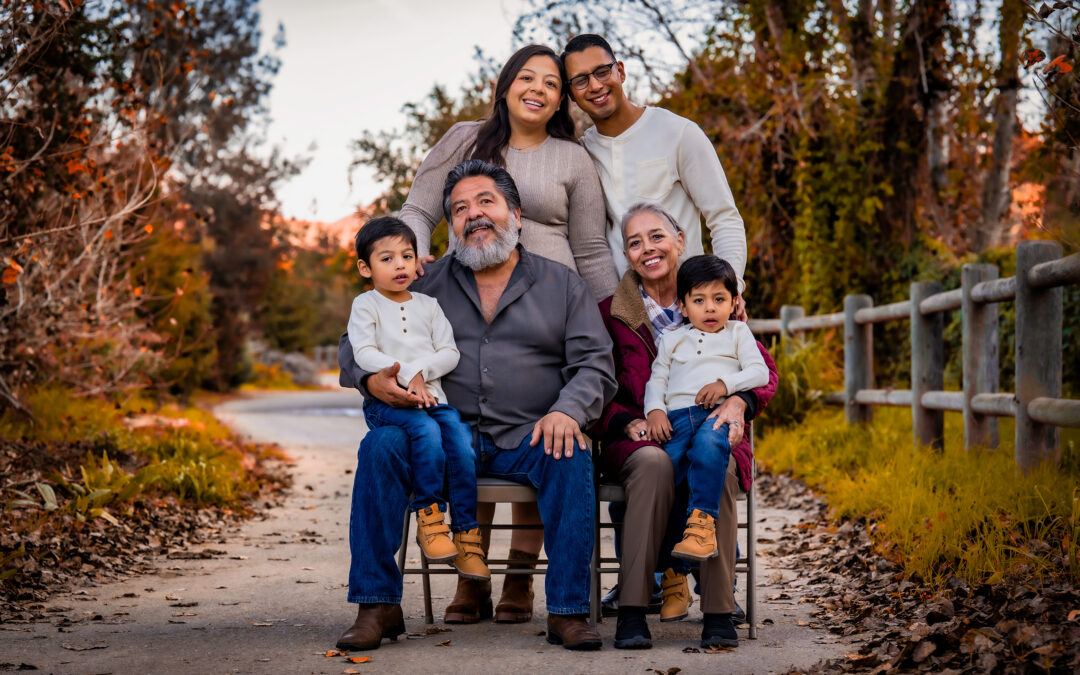
You hear it all the time: aperture controls depth-of-field.
This isn’t untrue. But what isn’t talked about enough to newer photographers is that focal length and distance matters just as much, if not more.
In order to achieve those soft, dreamy backgrounds, a photographer needs a long enough focal length.
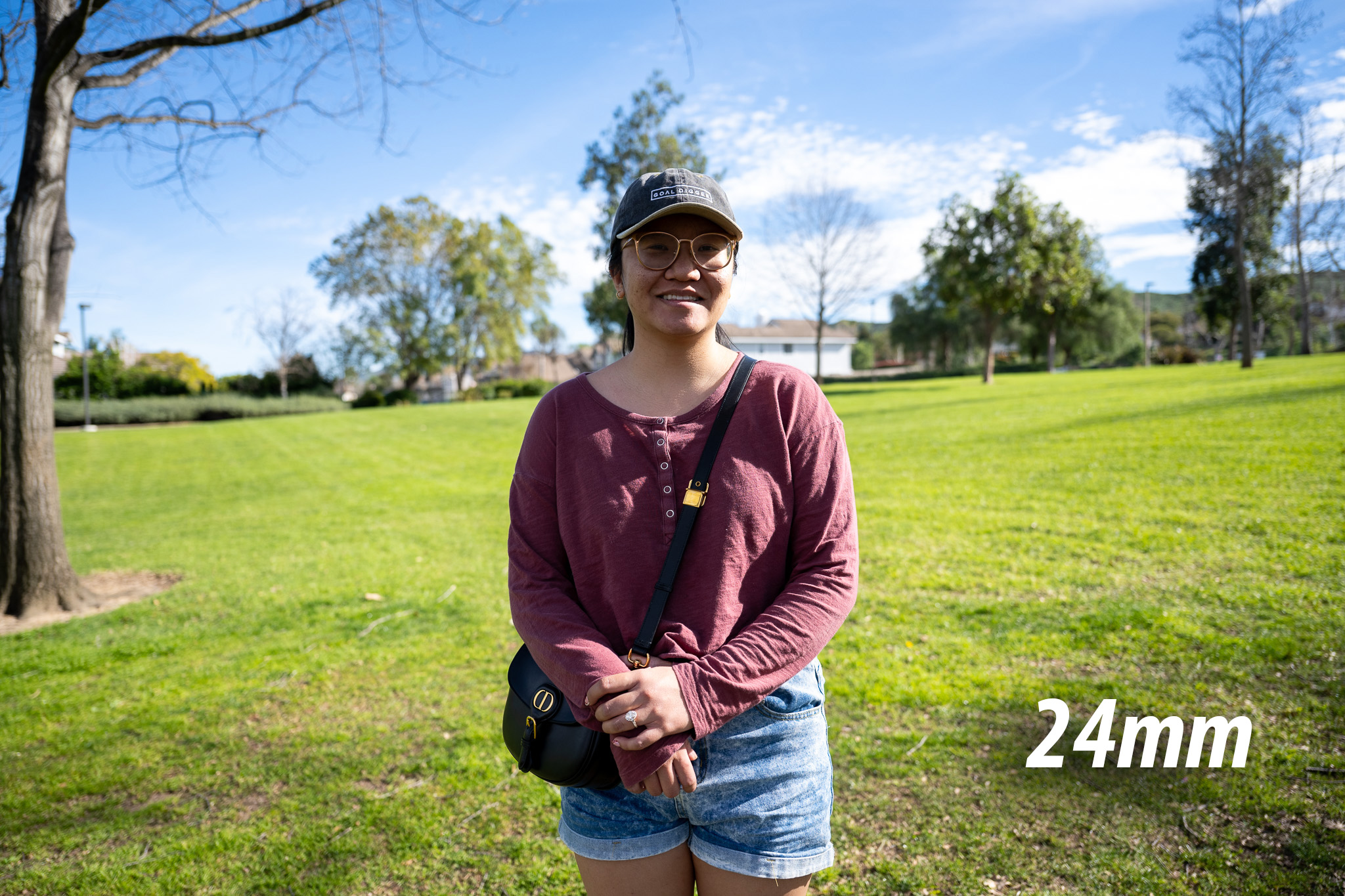
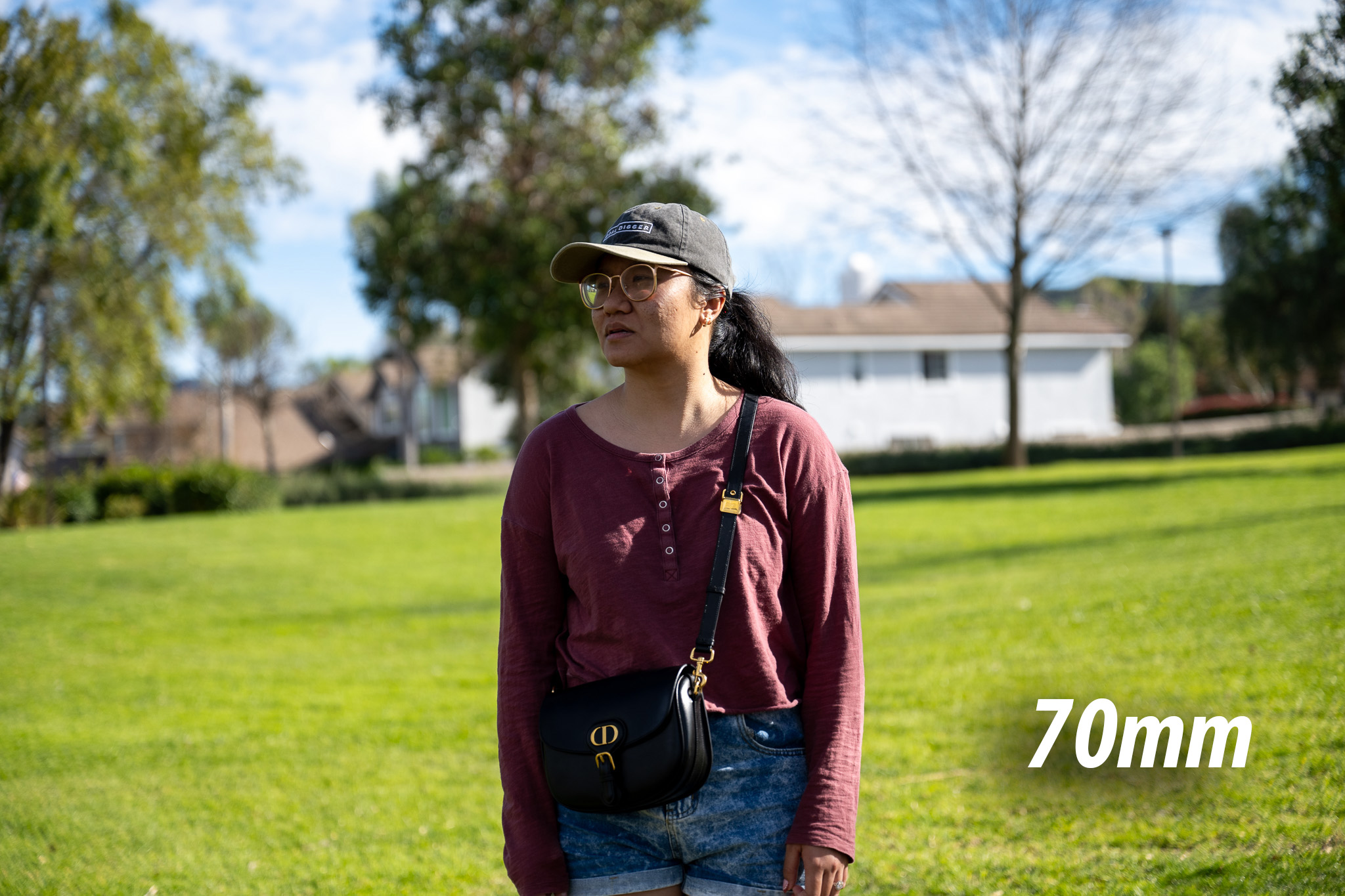
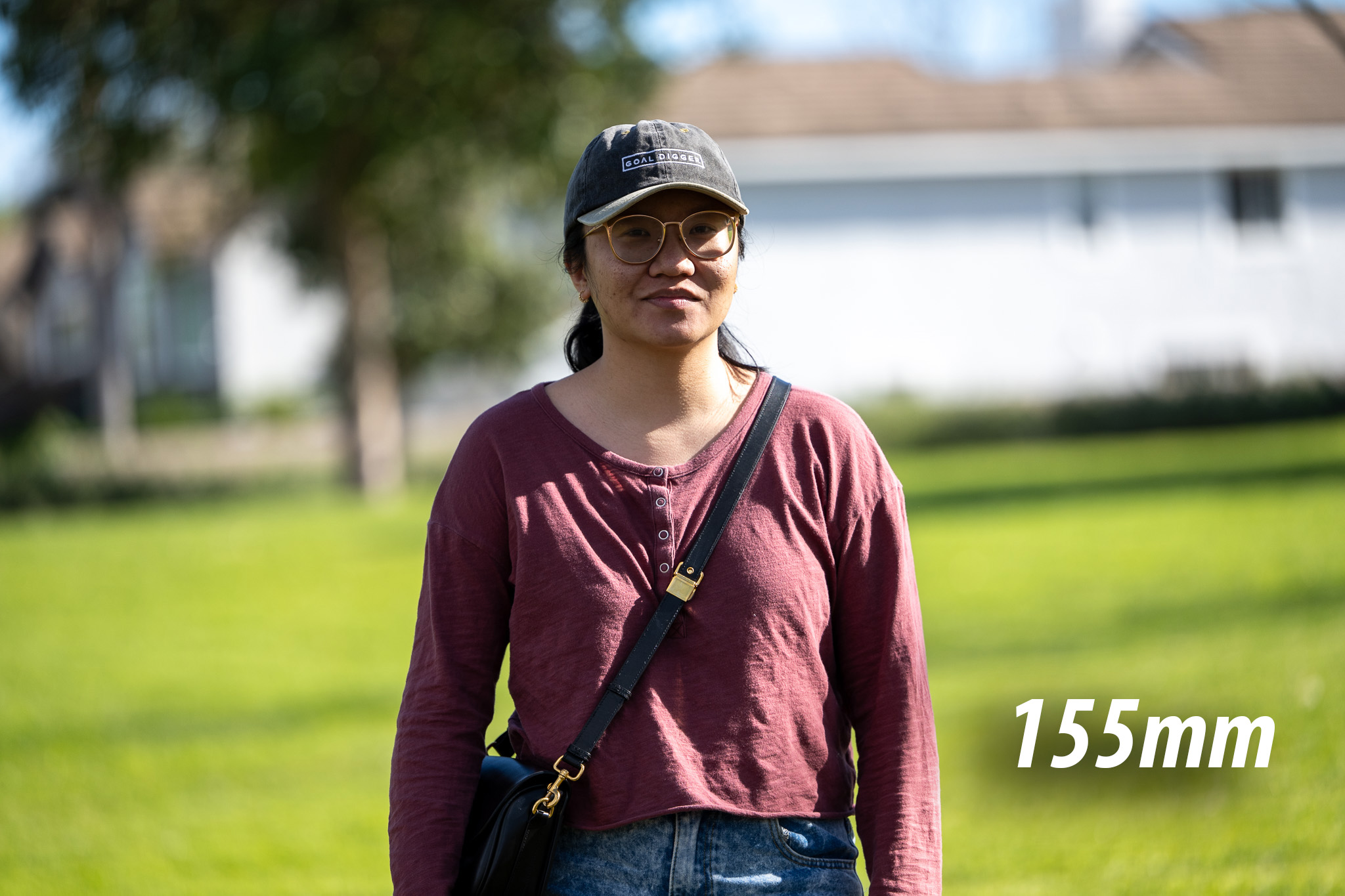
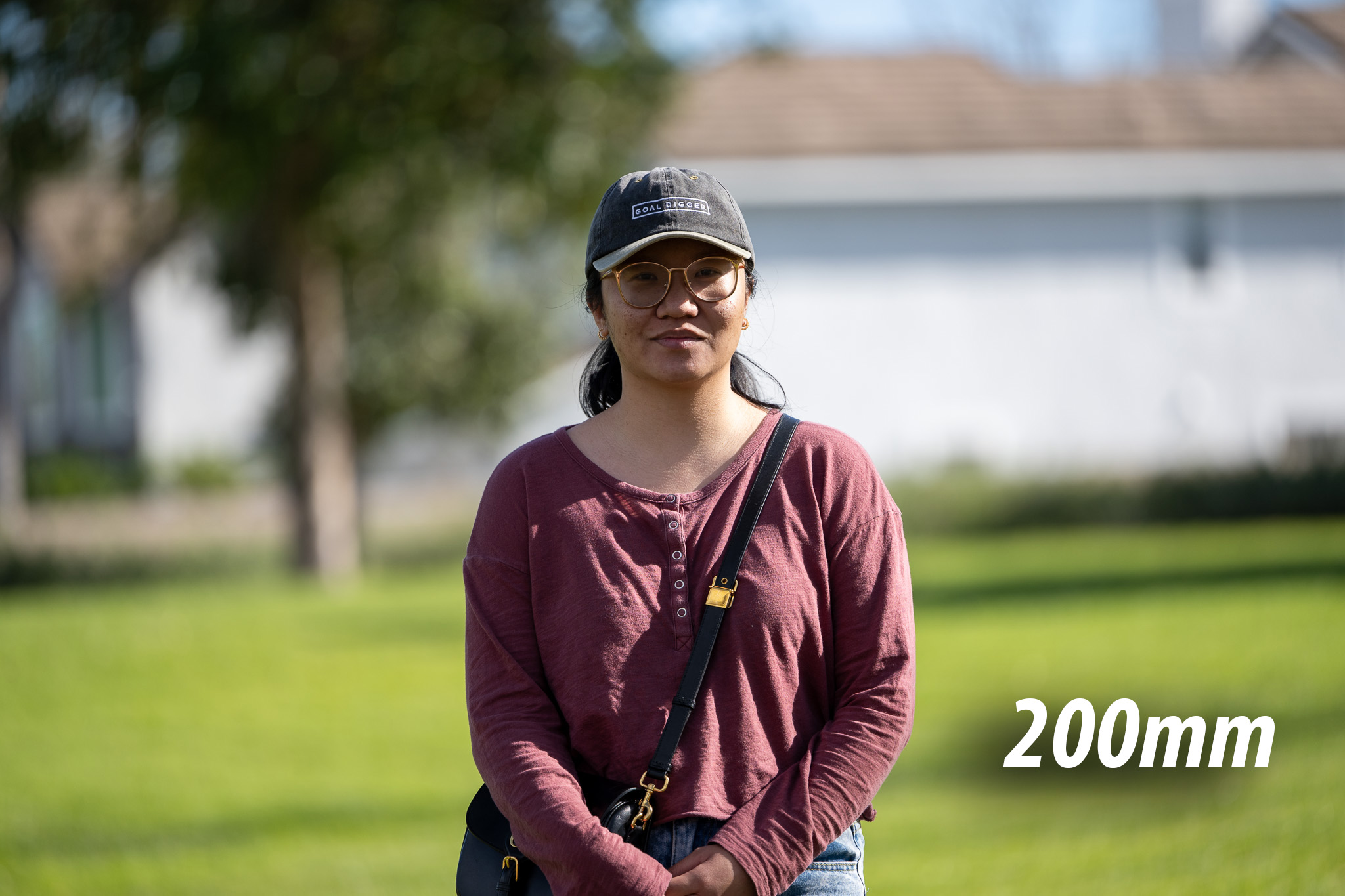
In the four examples above, we have a subject from 24mm, all the way down to 200mm. All were taken at f/2.8. (Pardon the poor lighting, as this is purely for demonstration and wasn’t a paid shoot!)
At the widest focal length, the background isn’t blurred much. She’s also somewhat distorted, since it’s a fairly wide lens. Both of these aspects are not conducive to a flattering portrait.
But watch as the focal length gets longer. The background becomes more compressed and blurred. Distracting elements, such as the tree branches above her, are no longer in the picture. The background being out of focus makes it easier to focus on her, the subject. Not the trees, grass, or houses.
It’s also important to note: as the background elements (such as the houses) are far away from her, they will be blurred out. If she was right in front of them it would still largely be in focus.
For a successful composition, you do need some distance between yourself, your subjects, and background elements. I commonly use 85mm for portraits, but I generally don’t recommend going below 50mm. A wide aperture won’t accomplish much on its own if you and/or background elements are too close to them. In fact, having it too wide and too close also risks having them be partially out of focus, as the plane of focus gets narrower as you approach them.
When you apply these principles, you take your portraits to the next level.