
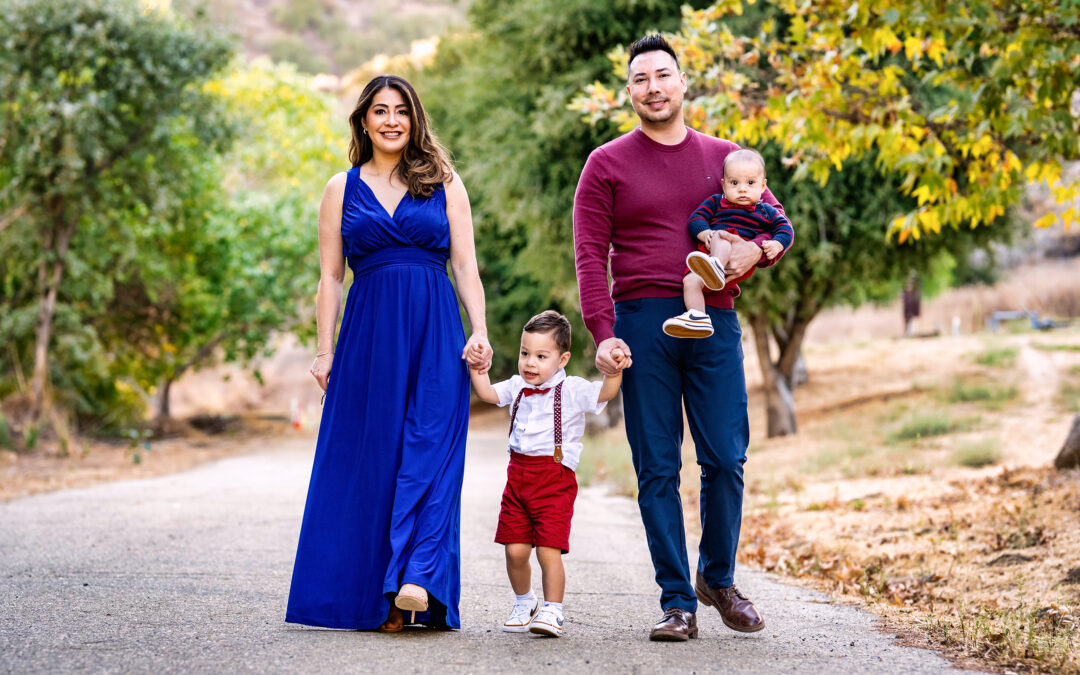
Natural light photography is one of the most powerful tools in any portrait photographer's kit — but only when you use it with intention. If you are wondering why some of your outdoor portraits look flat, muddy, or unflattering, the answer is almost always the lighting. Not the camera. Not the lens. The light. I have shot hundreds of portrait sessions across Ventura County and beyond, and the single biggest upgrade I made early in my career was learning to plan for light instead of hoping for it. In 2026, that intentional approach is more important than ever as clients are increasingly sophisticated about what great photography looks like.
Why Does Natural Light Matter So Much for Portrait Photography?
Natural light is the most flattering, versatile, and cost-free tool available to portrait photographers. When it is soft and diffused, it wraps around your subject evenly, minimizes harsh shadows, and produces that warm, glowing quality that clients love. When it is hard and direct, it creates unflattering shadows under the eyes and nose, causes squinting, and makes even beautiful people look uncomfortable in front of the camera.
According to HubSpot's marketing research, visual content is processed 60,000 times faster than text by the human brain — which means the quality of your images communicates your brand's value almost instantly. Poor lighting is not just a technical problem; it is a business problem.
What Is the Best Time of Day for Outdoor Portrait Photography?
The best time of day for outdoor portrait photography is the two-hour window before sunset, often called the golden hour. During this window, the sun sits low on the horizon and its light travels through more atmosphere, scattering and softening naturally. Shadows become long and gentle instead of short and harsh. Skin tones warm up beautifully.
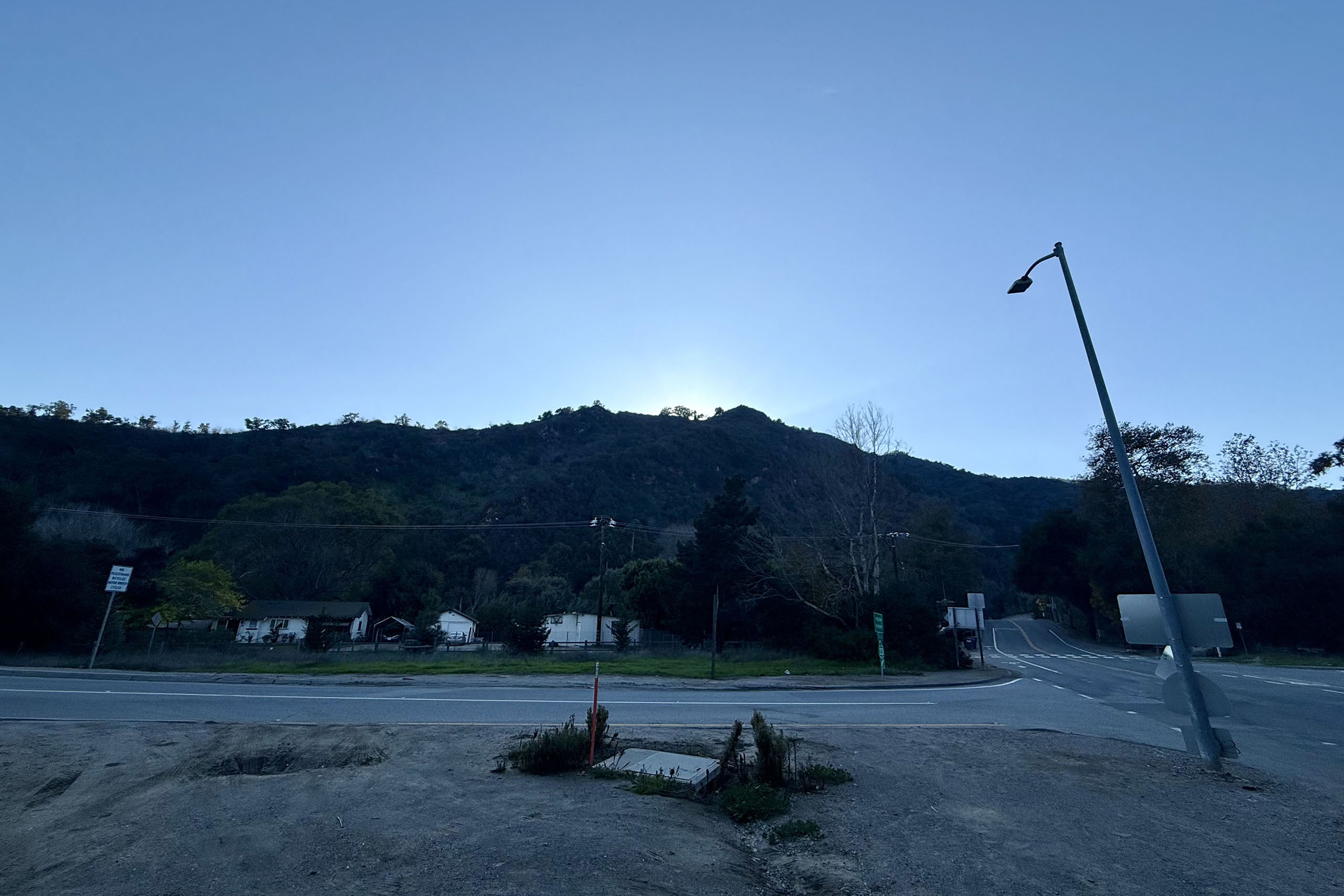
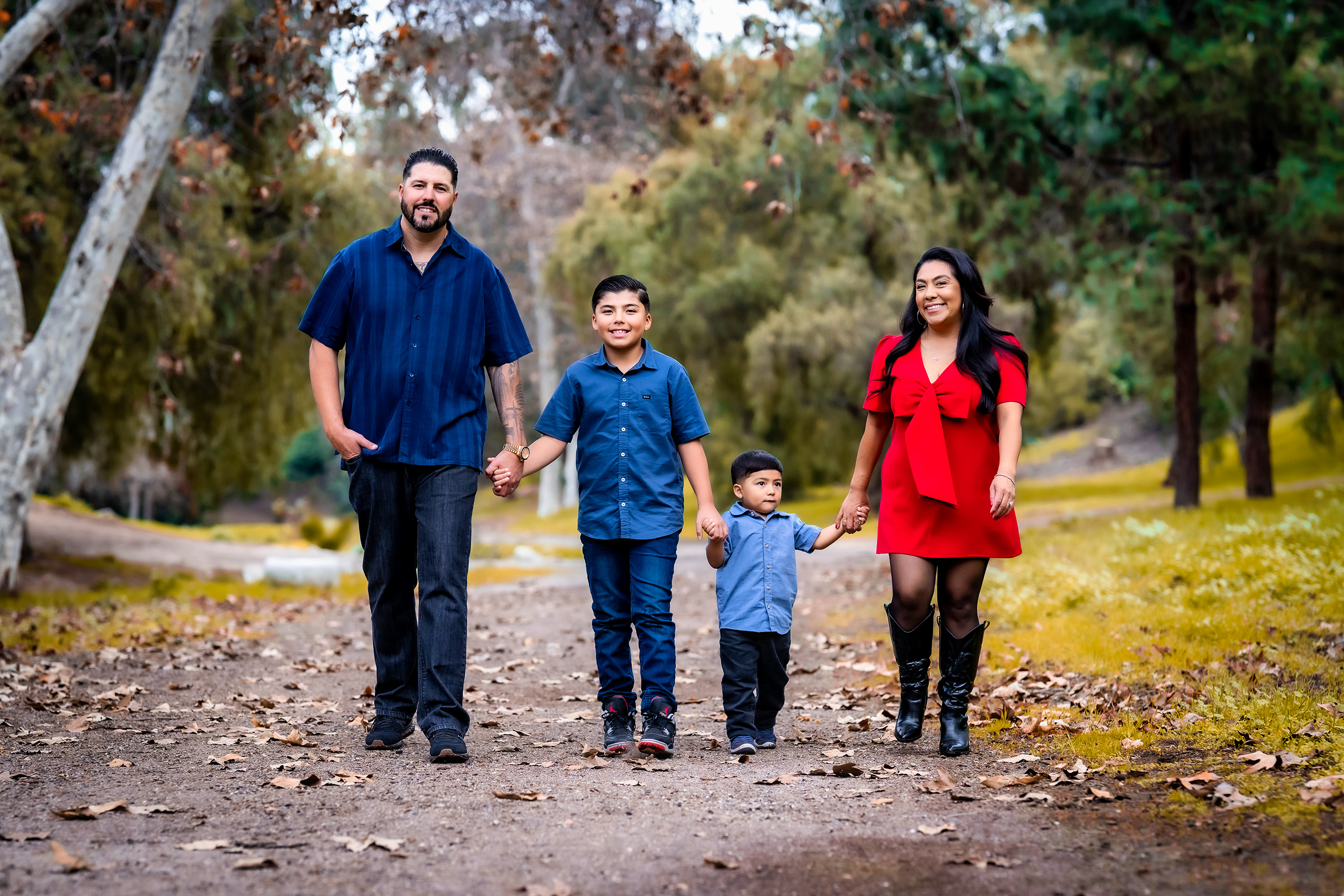
Here at Brandon Fox Photos, we build nearly every portrait session around this window. In many of the sessions featured on this site, you will notice that the sun is being diffused behind a mountain range roughly two hours before sunset. That produces soft, even shadows while still leaving plenty of daylight to work with. The result is a lit-from-within quality that clients notice immediately.
Why Should You Avoid Shooting at High Noon?
Shooting portraits at high noon is one of the most common and costly mistakes in outdoor photography. When the sun is directly overhead, it creates unflattering shadows under the eyes, nose, and chin — sometimes called "raccoon eyes." There is also extreme contrast between shaded areas and sunlit ones, which makes exposure nearly impossible to balance.
Simply moving your subject into the shade does not solve the problem at midday. The shade is significantly darker, and the contrast between it and the surrounding sunlit areas is at its peak. The overall quality of the light is still harsh and unflattering. If a client asks you, "Can we meet around noon?" — that is a moment to guide them, not accommodate them.
How Should Portrait Photographers Choose Locations for the Best Natural Light?
Portrait photographers should choose locations they have personally scouted and tested, not locations that simply "look nice" on a map. Scouting is the unglamorous work that makes every shoot feel effortless on the day. There is an old expression I follow religiously: "don't do anything new on race day." Showing up to a location you have never visited before, with paying clients waiting on you, is rolling the dice with someone else's memories.
Research from the Pew Research Center found that consumers increasingly rely on visual social proof before making purchasing decisions. When a potential client asks about your locations, being able to show them actual photos from those exact spots, with great lighting, is the most powerful sales tool you have.
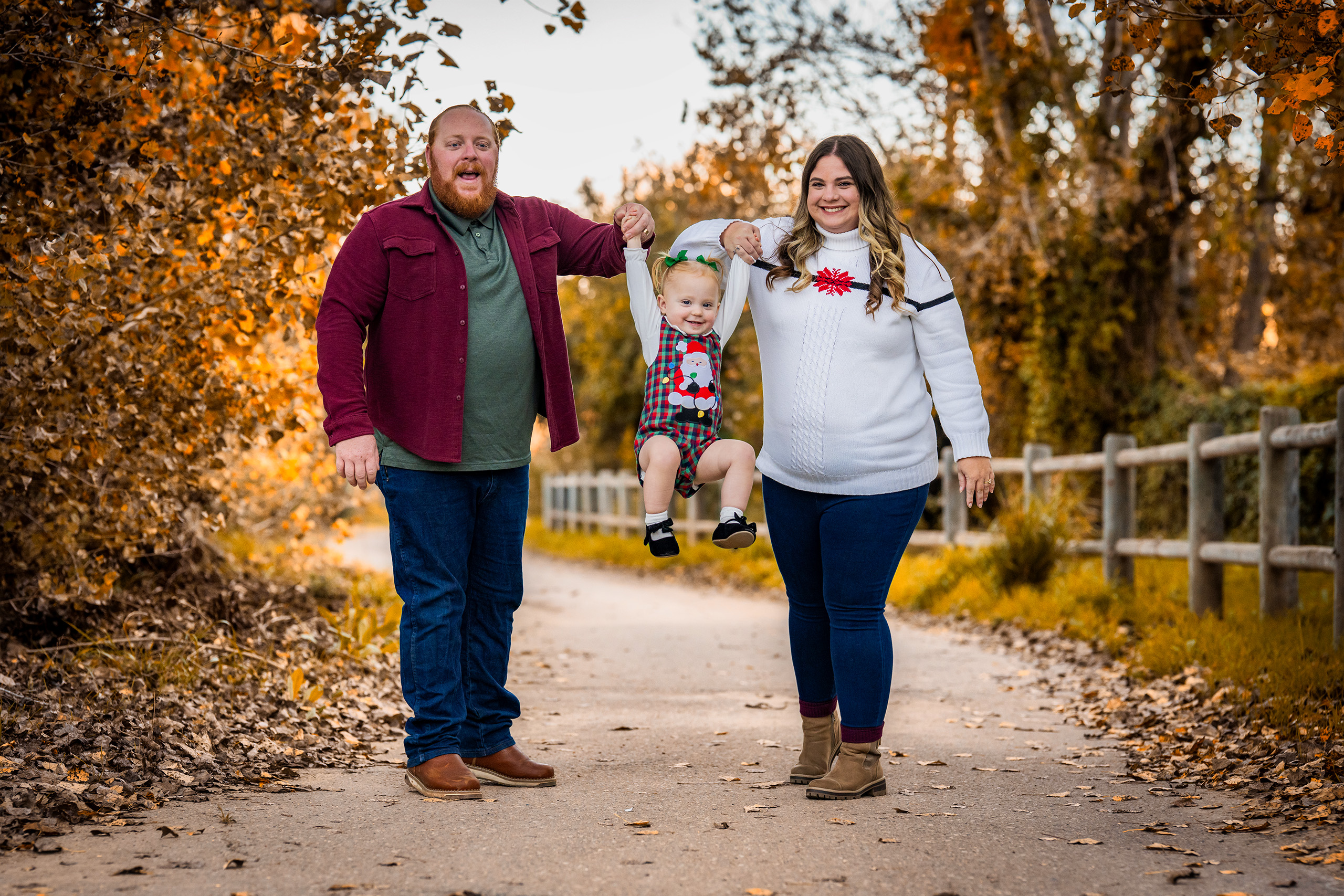
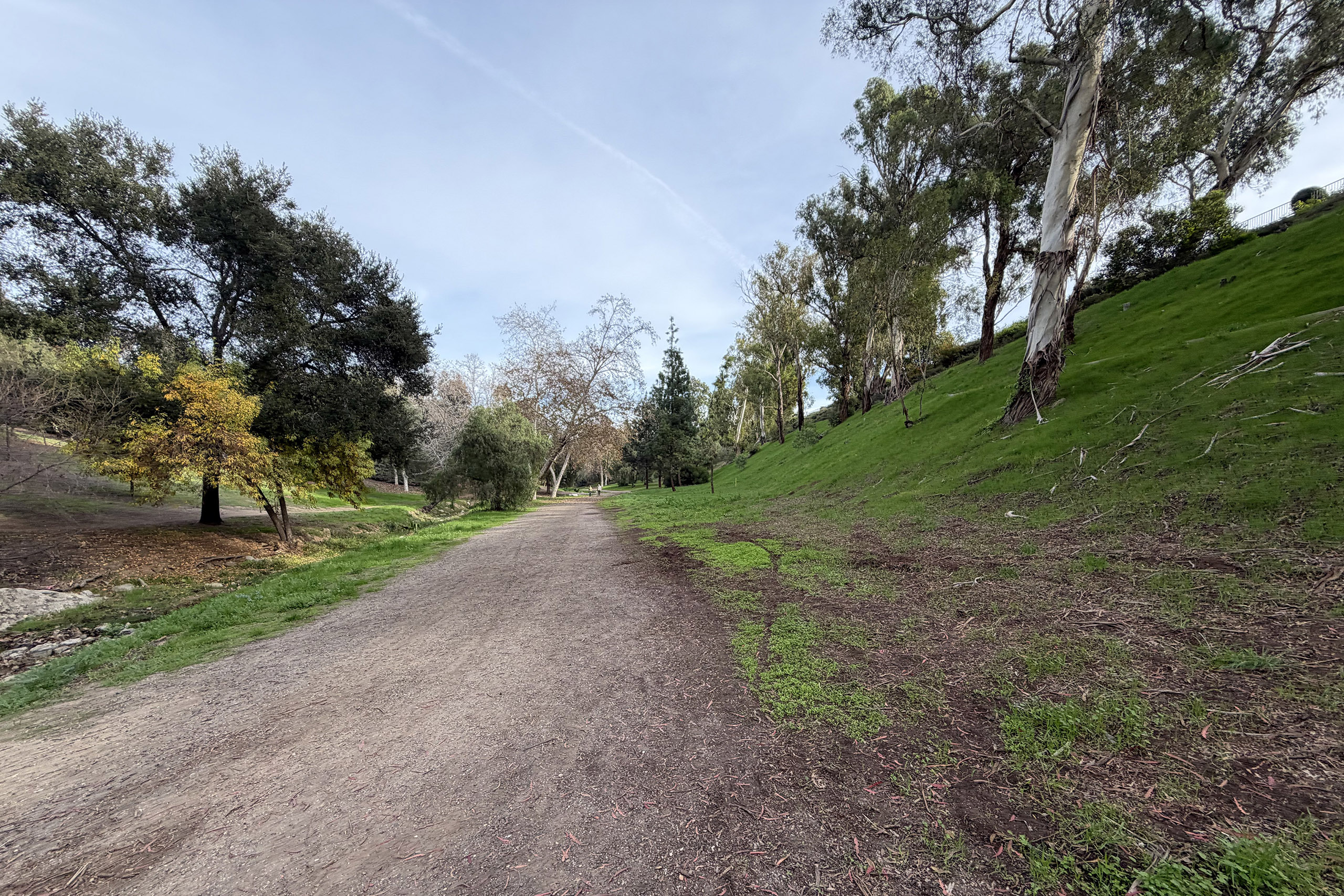
Below are samples of locations and the corresponding final results of the shoots:
How Many Location Options Should a Portrait Photographer Have Ready?
A working portrait photographer should have three to four well-scouted locations spread out geographically, so clients do not have to travel more than 20 to 30 minutes from where they live. Variety matters; some spots work beautifully in certain seasons or times of day, while others are more versatile year-round. Having a small portfolio of go-to locations lets you match each client to the spot that best fits their style and schedule.
As a Ventura portrait photographer, Brandon Fox Photography maintains a curated set of locations throughout Ventura County and the greater Los Angeles area — each one personally scouted and tested at multiple times of day. Nobody wants to drive an hour each way with kids in the car. You want your clients arriving relaxed and excited, not drained and cranky.
What Should You Do If a Client Insists on a Specific Location or Time?
If a client insists on a specific location or time, scout it ahead of the shoot so you are not troubleshooting on the day. Visit the site at the same time of day the session is scheduled. Take test shots. Note where the light falls, where the shade is deepest, and where the harshest exposure problems occur. If the location simply does not work well for portraits, you will have real photographic evidence to share with your client before the session rather than a difficult conversation after it.
This is where the word intention is everything. Being a little less flexible on location and timing is not inflexibility; it is professionalism. Your number one job is delivering images your clients will love. Protecting the light is how you do that.
What Are the Most Common Natural Light Photography Mistakes to Avoid?
The most common natural light photography mistakes are picking locations without scouting them, agreeing to shoot at unfavorable times of day, and failing to guide clients toward conditions that will make them look their best. Each of these mistakes has the same root cause: prioritizing convenience over quality.
Based on ongoing work as a portrait photographer serving Los Angeles and Ventura County, these are the most frequent lighting errors I see from photographers who are starting out:
- Agreeing to shoot at high noon because the client asked
- Choosing a "pretty" park without checking how the light falls there
- Shooting with the sun directly behind the subject, blowing out the background
- Putting subjects in deep shade to avoid harsh sun, creating flat and muddy exposures
- Failing to account for seasonal changes in the sun's position and intensity
A 2024 study found that clients who feel genuinely cared for by a service provider are significantly more likely to refer others — and in portrait photography, that care shows up in the images themselves. When your clients look amazing, they tell everyone.
How Can You Set Better Expectations With Portrait Clients About Light?
Setting better expectations with portrait clients starts with education during the booking process. Explain, briefly and warmly, why the timing and location matter. You do not need to deliver a lecture on optics; a simple message along the lines of "I have a few favorite spots where the light is consistently beautiful, and I would love to bring you to one of them" is enough. Send sample photos from those locations. Concrete examples build confidence far faster than any amount of explanation.
According to a LinkedIn Talent Solutions report on professional visual presentation, professionals who present polished, well-lit imagery are perceived as significantly more credible and trustworthy. The same principle applies to your clients: when they look great in your photos, they feel great about hiring you again.
If you are a photographer wondering how to stop rolling the dice on lighting and start delivering consistent, stunning results, the answer is preparation. Scout your locations. Know your light. Guide your clients. Once you build that system, portrait shoots stop feeling stressful and start feeling fun, for everyone.
Ready to experience what intentional, beautiful natural light photography looks like in practice? Brandon Fox Photography serves clients throughout Ventura, Los Angeles, and surrounding communities. Reach out today to talk about your next portrait session and see which of our go-to locations is the perfect fit for you.
Frequently Asked Questions About Natural Light Photography
What is natural light photography and why is it used for portraits?
Natural light photography uses available sunlight rather than artificial flash or studio lighting to illuminate subjects. Portrait photographers favor it because soft, diffused natural light is flattering to skin tones, creates gentle shadows, and produces a warm, authentic look that is difficult to replicate with artificial sources. When used at the right time of day, it requires minimal equipment and delivers consistently beautiful results.
What time of day is best for natural light portrait photography?
The golden hour, approximately one to two hours before sunset, is widely considered the best time for natural light portrait photography. During this window, sunlight is soft, warm-toned, and low in the sky, reducing harsh shadows and adding a flattering glow to skin. Morning golden hour, just after sunrise, offers similar quality light with the added benefit of fewer crowds at popular locations.
Why is shooting portraits at noon considered a mistake?
Shooting portraits at noon produces harsh, unflattering shadows under the eyes, nose, and chin because the sun is directly overhead. The high contrast between sunlit and shaded areas also makes it nearly impossible to achieve a balanced exposure. Even placing subjects in shade at midday does not solve the problem, because the shade is darker and the surrounding contrast remains extreme.
How does a portrait photographer choose shooting locations?
A skilled portrait photographer scouts locations in person before any client session, visiting at the same time of day the shoot will take place. This process involves testing the quality of light at that specific hour, identifying the best angles, and noting any potential exposure challenges. Having three to four pre-scouted, geographically spread locations allows for flexible, stress-free scheduling for clients.
How can natural light photography improve client satisfaction?
Natural light photography improves client satisfaction by consistently producing flattering, professional-quality images without the need for complex equipment or heavy post-processing. When clients look their best in the final photos, they are more likely to share them, refer others, and rebook. Intentional location selection and timing removes guesswork and gives both the photographer and the client confidence in the outcome.
How do portrait photographers handle lighting in urban environments?
Portrait photographers working in urban environments often use building overhangs, tree canopy, and north-facing open spaces to create soft, diffused light conditions even in busy city settings. Scheduling sessions during the golden hour is especially effective in urban areas, where buildings help block and scatter direct sunlight. Pre-scouting locations in the city is just as important as scouting natural settings, since light quality varies significantly by block and time of day.
If you are looking for a portrait photographer who takes the guesswork out of lighting and location, Brandon Fox Photography would love to help you create images you will be proud to share. Reach out to start planning your session today. Contact Us | 805-626-4800