
Every photographer starts somewhere.
Many of them, myself included, take the “offer to photograph your friend’s family in the park” route. It’s easy, and it works. At least, when you are a beginner.
But what about when you start to photograph real clients? Now that kicks it up a notch, since they’re paying you full price, and you don’t have the familiarity and rapport built up with them like your friends.
Some of my fellow photographers that are starting out have messaged me saying their clients weren’t happy with their pictures. And almost every issue had to do with the lighting. Either their subjects were too dark, or they were squinting…you get the idea.
There’s an old expression I follow religiously: “don’t do anything new on race day.”
This is where you need to start scouting for locations and being intentional with all of the details. You’ll have to do some footwork to find locations in your area with soft, natural light. And jot down the times of the day where the lighting is best.
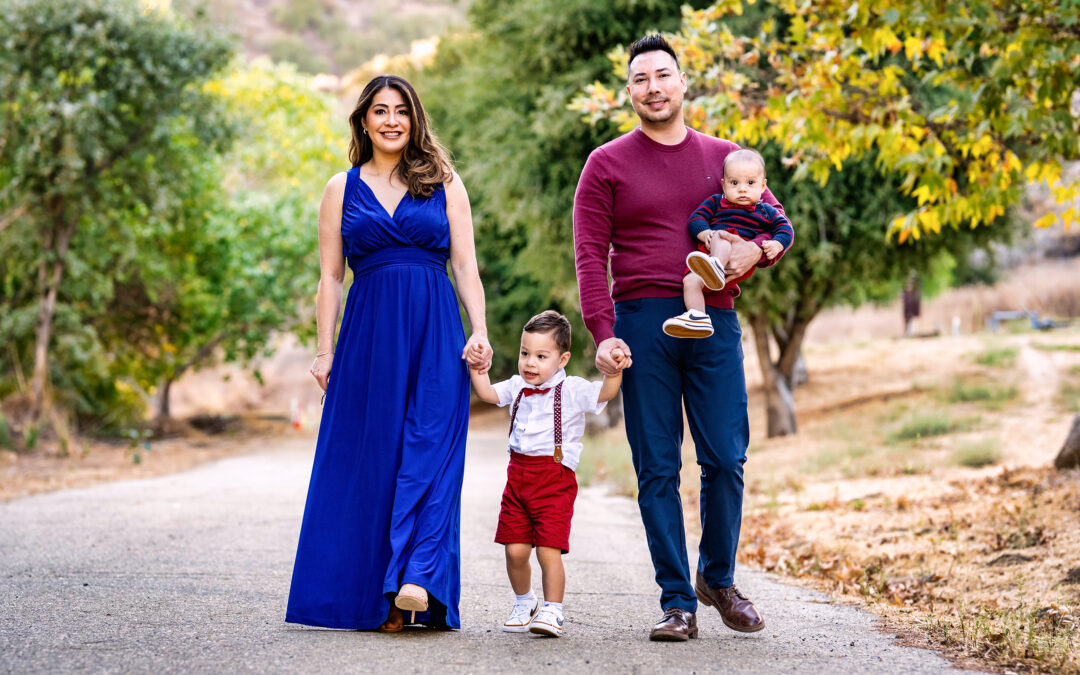
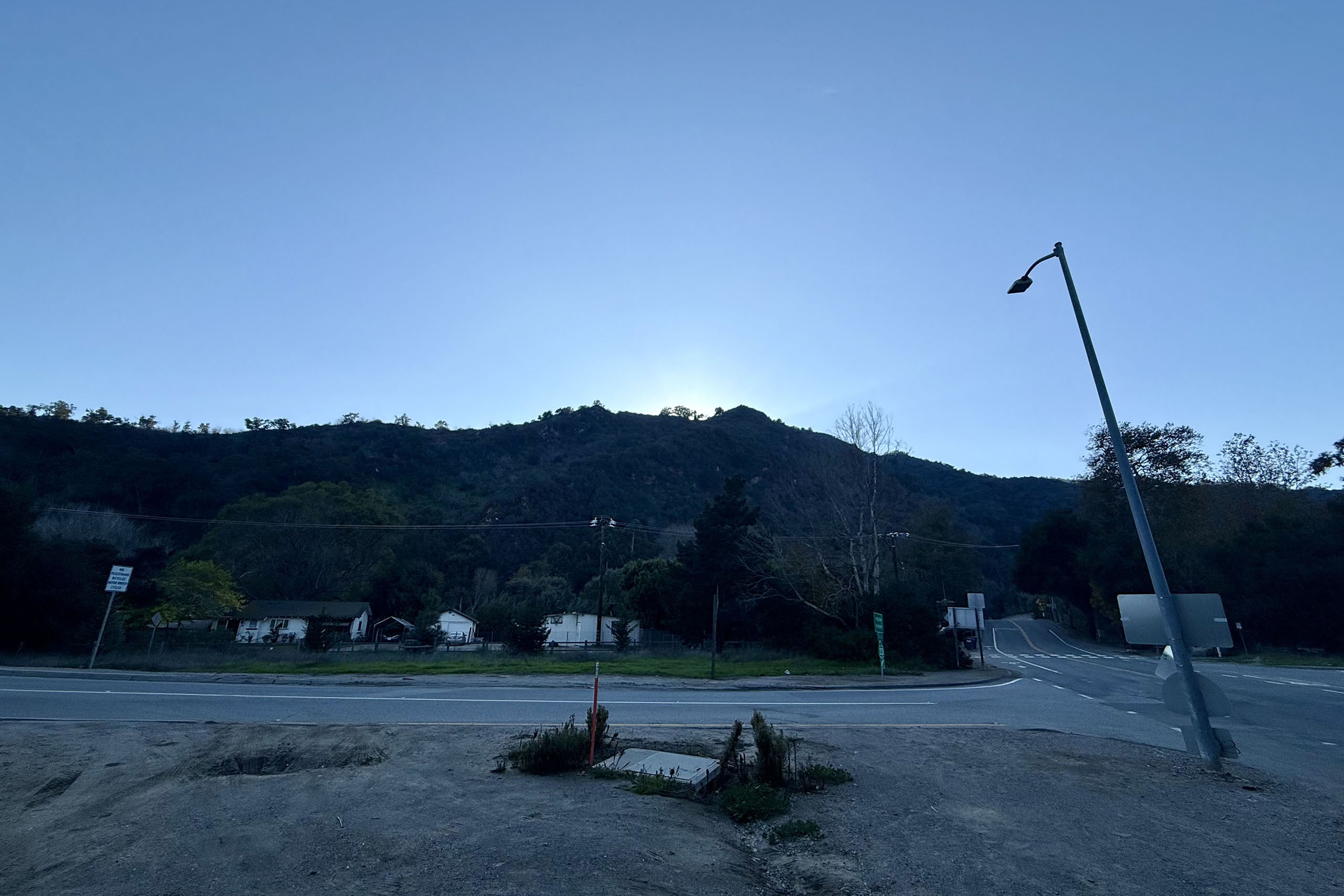
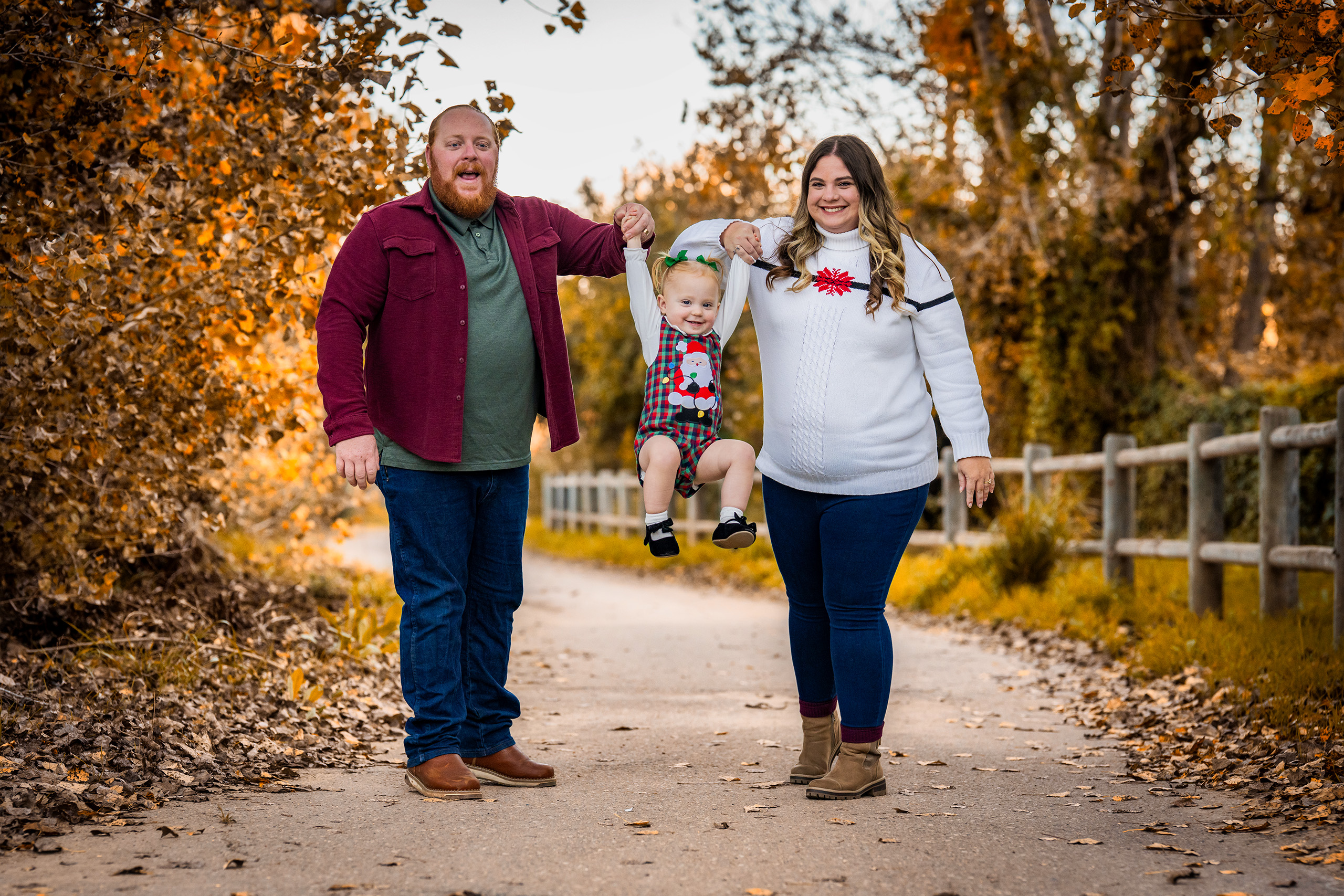
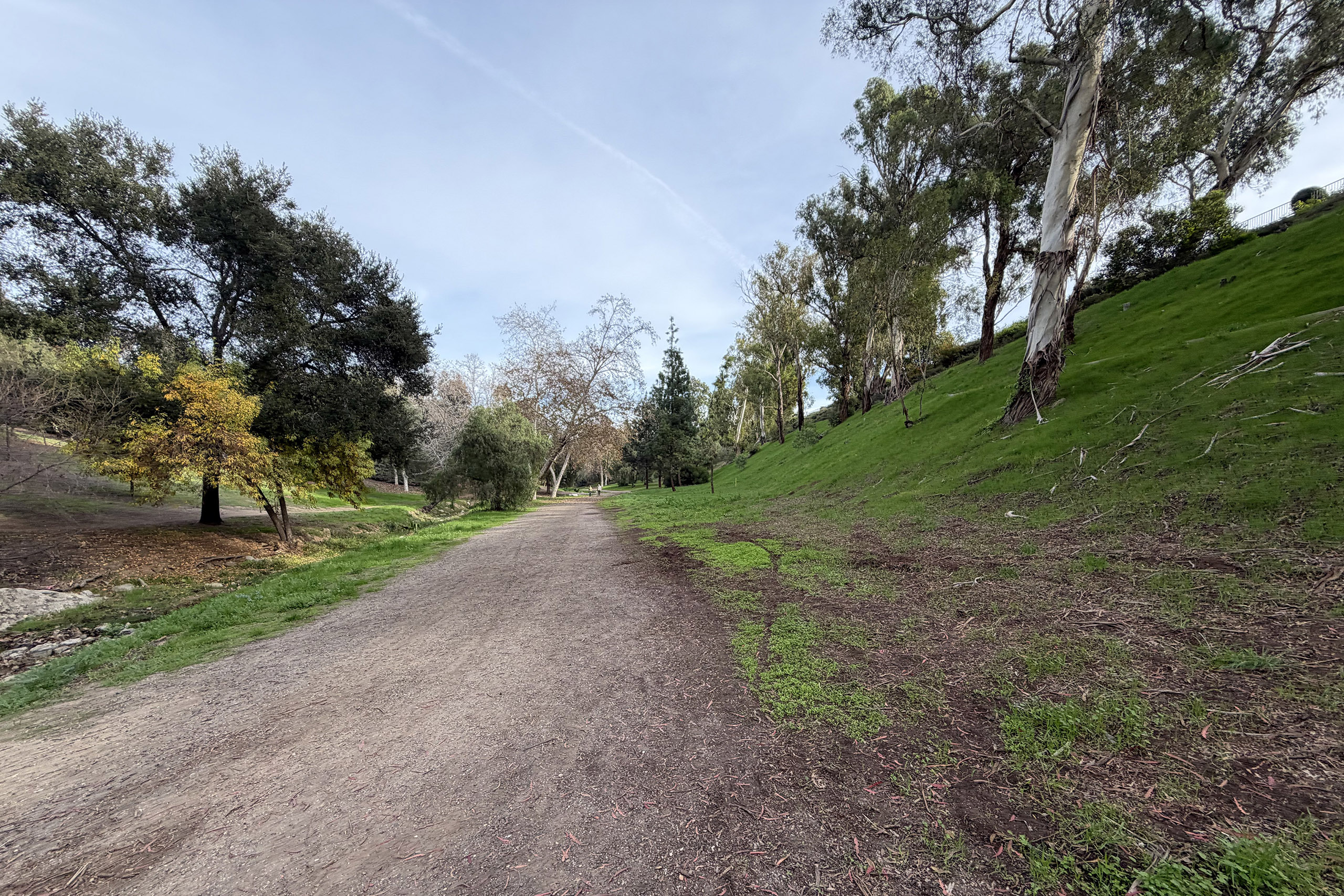
Case in point: in both examples in this post, it’s two hours before sunset. The sun is being diffused behind a mountain, so we got those nice, soft shadows. But there’s still two hours of daylight left, so they are lit just right. I love bringing clients to these spots, because I know they work, they love the result, and I can photograph them optimally being at ease of mind.
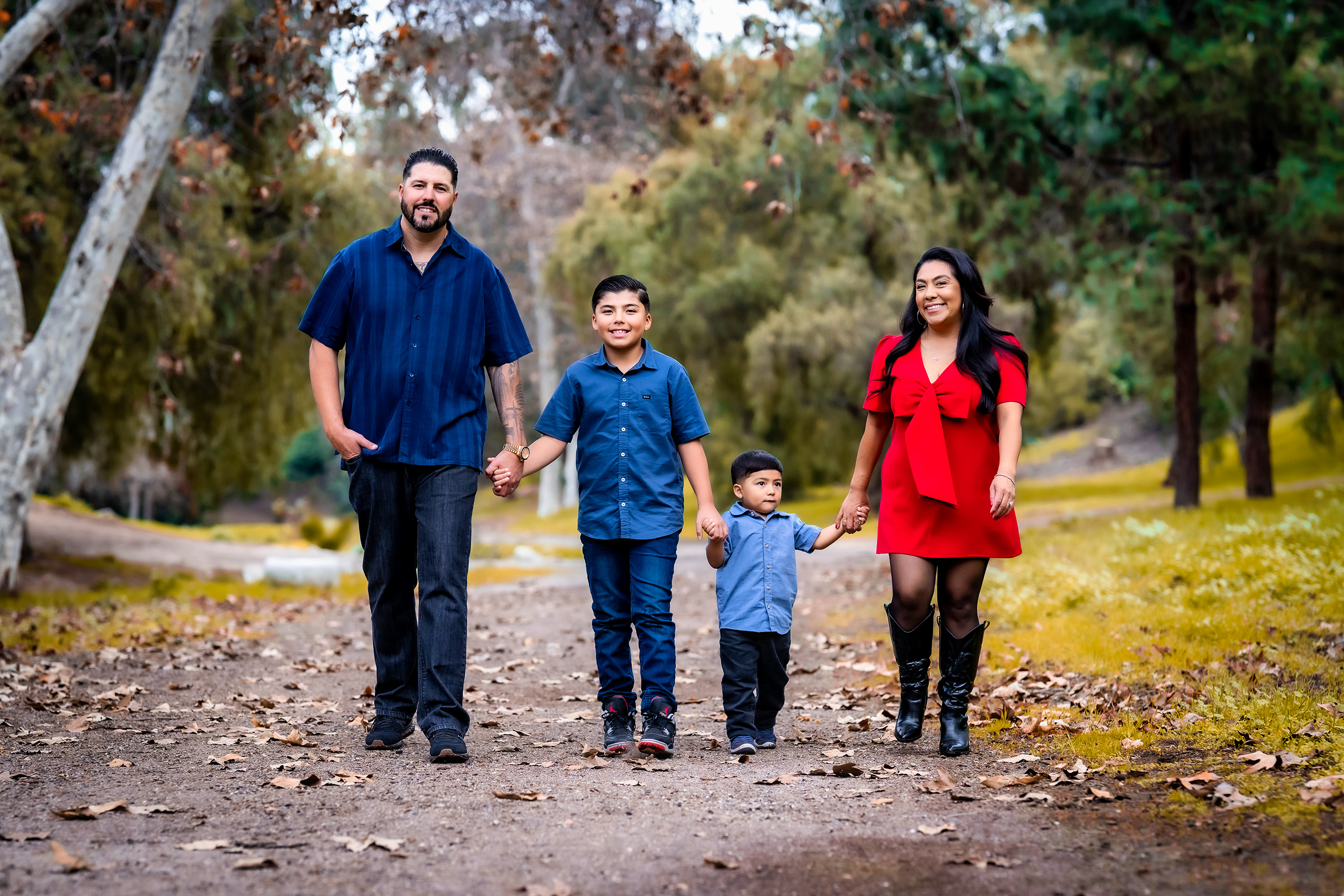
Now, with that out of the way…here’s what you don’t want to do:
The first and most common mistake of any portrait photographer starting out, almost verbatim: “I see you’re in Townsville. There’s a park that looks nice near Main Street. How does that sound?”
No.
If you’re chronically picking new locations, you’re essentially rolling the dice each time with the lighting. You might luck out, but speaking from experience, more often than not, you won’t. And once you’re on-site, all eyes will be on you to light them properly. It can make you sweat if you’re silently (but frantically) looking for even half-decent lighting, but time is money.
You can fix this problem by recommending locations you’ve been to that have amazing, natural light. That takes the stress out of the equation on pondering if they’ll look nice in the provided lighting. You can also send samples of said locations from past shoots, which shows them exactly what they’re gong to get. Ideally, you should have 3-4 spots geographically spread out, so they won’t have to drive too far. If possible, nobody wants to drive an hour or more each way, especially with kids in the car. You want them to come relaxed and happy, not drained and cranky. Above all, a potential client that sees concrete examples, and subsequently, has confidence that they’re going to look great, is much more likely to buy from you.
“We can only meet around noon. Does that work for you?”
Hard no.
This is an example of where you shouldn’t be a yes man (or woman). For the most part, high noon is the enemy. The sun is at its brightest and high in the sky. No matter which direction they look, they’ll have harsh, unflattering shadows on their face. This also makes shade darker, so simply putting them in the shade isn’t a solution either. The contrast between the sunny spots and the shady spots is maxed out.
This is where the word intention comes back into play.
You need to be intentional on the locations that you know work, and the times of the day that they work to where the sun is diffused. It may make you seem a little less flexible, but the number one priority is getting amazing pictures of them. And of course, there will be times where they will insist on using a specific location or time or a number of reasons. Should that ever happen, I recommend scouting it out so that you at least aren’t committing trial and error on the day of the shoot, or to send them samples of how it may look. If it really doesn’t look great, you can prove so ahead of time, as opposed to using their time for a shoot, and then they blame you for them not looking their best.
Once you do that, it takes the stress and the unknown out of portrait shoots for both you and your clients. As a result, you can all focus on having fun and making lasting memories.