Event photography comes with a unique kind of pressure that most other photography genres simply don't have. You get one shot. No reshoot. No second chance. I learned this firsthand years ago — not from my own mistake, but from watching another photographer make one that cost him the job, the review, and almost certainly the referrals. If you're serious about doing event photography right, understanding what can go wrong before it happens is the difference between building a thriving business and quietly losing clients who never bother to explain why. As a Ventura-based photographer who has shot everything from corporate galas to youth sports events, I've seen what separates photographers who last from those who don't.
What Is the Biggest Mistake Event Photographers Make?
The most common and costly mistake in event photography is showing up without the right gear for the environment. It sounds basic, but it happens more often than you'd think — and the consequences are permanent.
I was on the committee for my company's annual holiday party. A colleague kindly turned down my offer to photograph it so I could enjoy myself as a guest. Fair enough. But when I lined up for the group photo, I noticed something immediately: the hired photographer had no flash. No speedlight. Nothing.
The room was dim. The event was at night. And he had no way to properly light a single face in that room.
My immediate thought was: I would not want to be in his shoes right now. I said nothing, but I already knew what those photos were going to look like.
What Happened When He Delivered the Photos?
The photos came out exactly as expected: dark faces, muddy tones, and underexposed subjects throughout. The client was unhappy. He didn't get hired again. And in all my years doing this, few scenarios are worse than having to explain to a client why their photos look the way they do when the event is already over and gone.
There's no going back. That's the hard truth about event photography that scares a lot of newcomers — events are a one-time deal. No do-overs. No discounts that bring back the moment. The photos either worked or they didn't.
Why Is Flash Non-Negotiable for Indoor and Nighttime Events?
Flash is a non-negotiable tool for any indoor or low-light event, and skipping it is one of the fastest ways to destroy client trust. The single most frequent gear-related failure seen at professional events is photographers attempting to shoot dim, artificial-light venues without supplemental flash — and delivering unusable images as a result.
To illustrate the difference, I've included two photos from a prior event shot in a venue with similar lighting conditions. One was taken with flash. One was not. The difference is immediate and unmistakable.
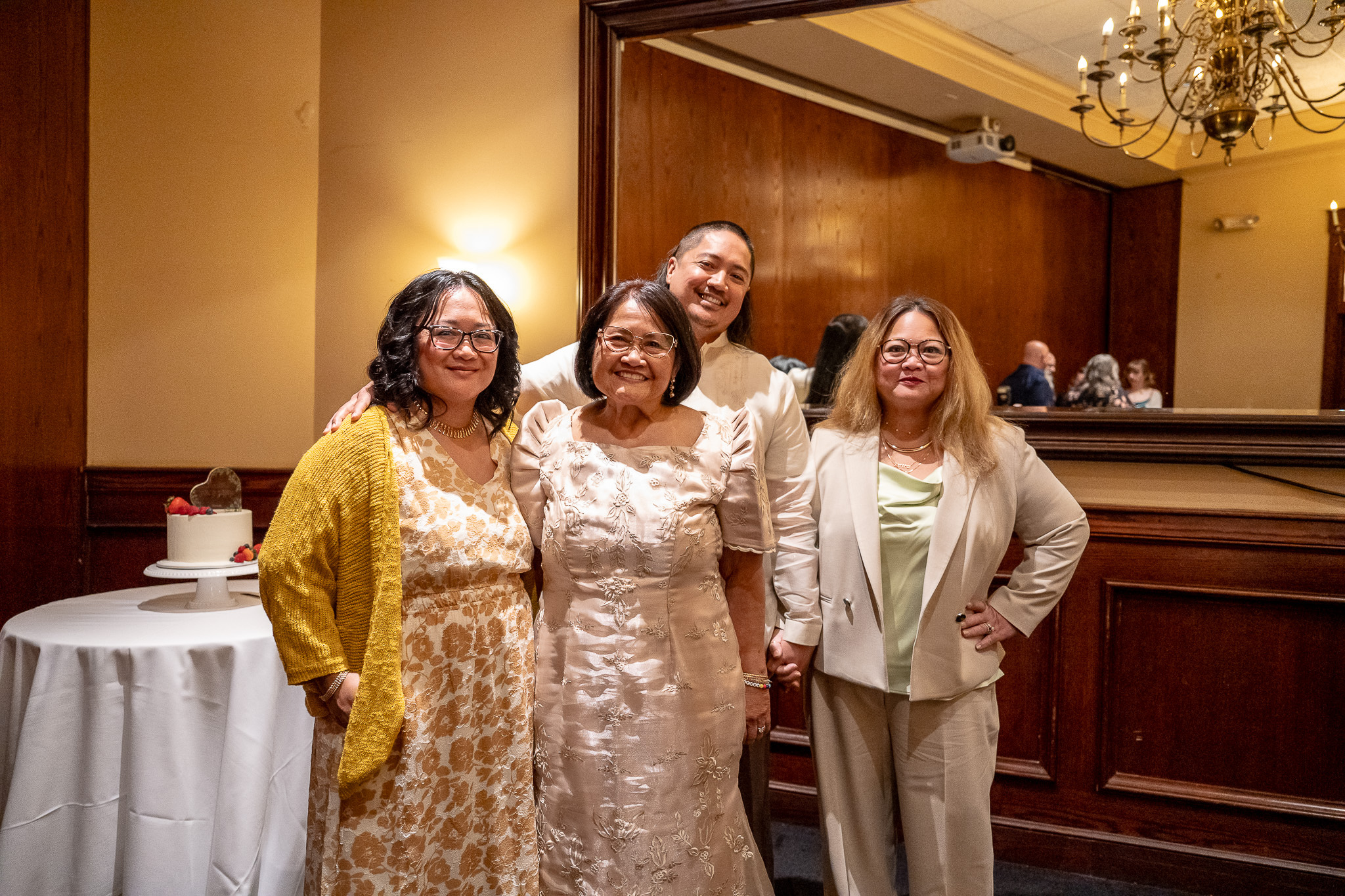
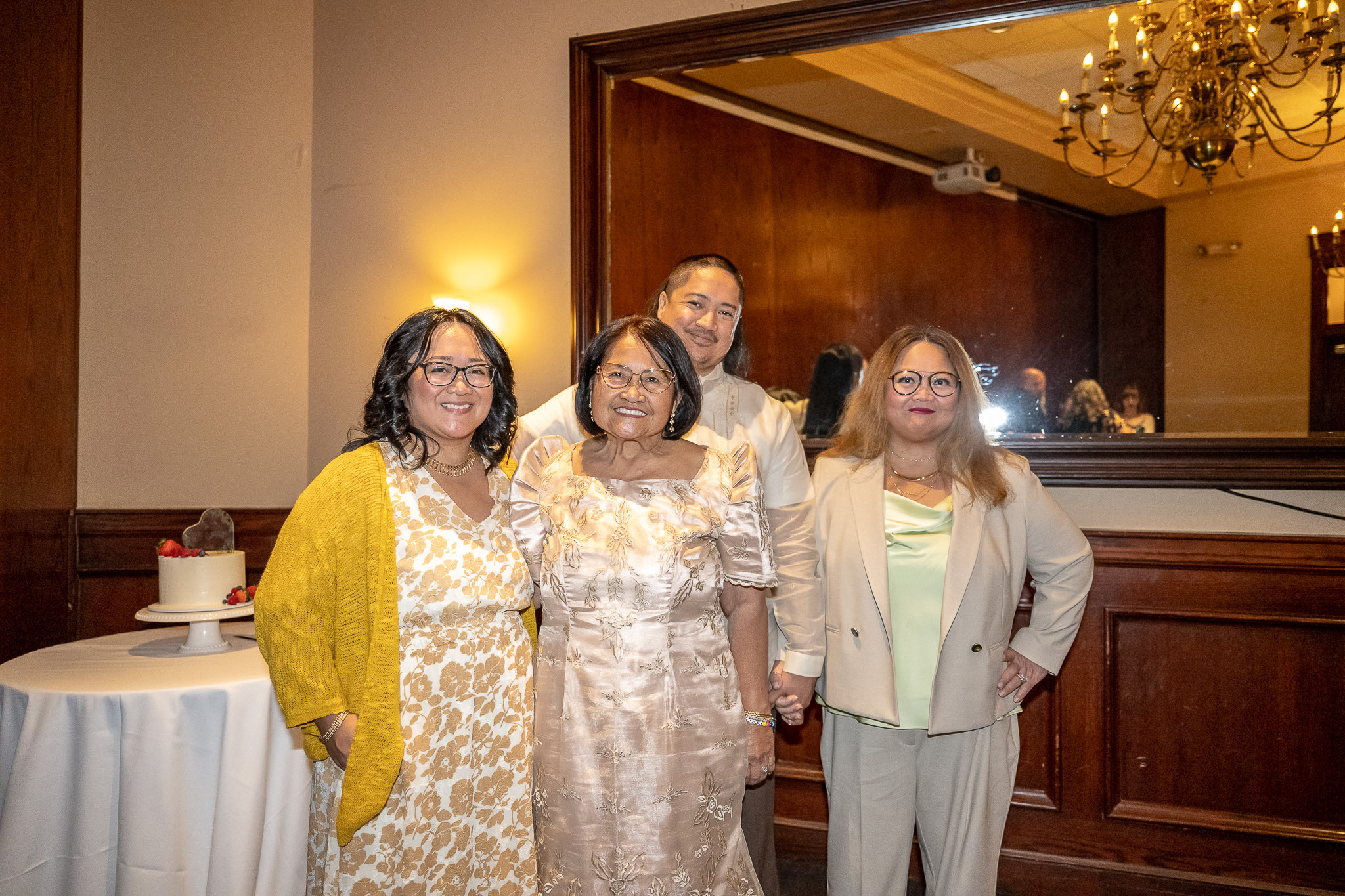
Even the best photo editing software available in 2026 cannot fully rescue a face that was never properly lit. You can push the exposure, reduce noise, and play with shadows — but you cannot manufacture light that was never captured in the first place. At best, you can make a bad photo slightly less bad. That's not a standard any professional should be comfortable with, and it certainly isn't what a paying client deserves.
Does Good Editing Make Up for Poor Lighting at Events?
No. Editing can improve a photo, but it cannot replace proper lighting captured in-camera. This is a critical principle to understand: post-processing is a finishing tool, not a rescue tool. Leaning on editing to fix what should have been handled correctly in the moment is a habit that will cap your growth as a photographer and frustrate your clients.
The old saying applies here perfectly: "Better to have it and not need it, than to need it and not have it." A speedlight flash is compact, relatively inexpensive, and easy to operate. There's no valid reason to leave it in the bag — or worse, at home.
How Should You Prepare for an Event Photography Shoot?
Proper preparation for an event photography shoot means understanding the venue, the lighting conditions, and every piece of gear you might need before you ever arrive. The question most aspiring event photographers ask is: what do I actually need to bring? The answer is more than just a camera body.
Here's a starting checklist for any event photography assignment:
- External flash (speedlight): Always. No exceptions for indoor or nighttime events.
- Backup batteries and memory cards: Events don't pause for equipment failures.
- A fast lens: A 50mm or 85mm f/1.8 or faster gives you flexibility in changing light.
- A zoom lens: Ideal for working crowds where you can't always move freely.
- A venue walkthrough if possible: Know where the dark corners, harsh spotlights, and gathering areas are before the event starts.
- Fully charged gear: Cameras, flash units, and any wireless triggers should be charged the night before.
If you are wondering whether you can skip the flash for a venue that "looks bright enough," the answer is almost always no. What looks bright to the human eye is often a light trap for a camera sensor. Trust your gear, not your eyes.
How Do You Build Confidence as a New Event Photographer?
The best way to build confidence as a new event photographer is to start with low-stakes shoots for people you know, in environments where feedback is friendly and honest. According to Brandon Fox Photography, this approach is one of the most effective ways to develop the muscle memory and situational awareness that paid event work demands.
Think about it: birthdays, bridal showers, graduation parties, backyard get-togethers. These are events where the host is already on your side. You get to learn your gear under real conditions, without the weight of a paying client's expectations. And when you ask for honest feedback afterward — and you should ask — you get real-world information you can actually use.
What Can Beginner Event Photographers Learn From Practice Shoots?
Practice shoots teach beginners the situational decisions that can't be learned from tutorials alone. You'll learn when to turn your flash up or down, how to move through a crowd without disrupting the moment, how to read changing light conditions mid-shoot, and how to manage your shooting pace so you don't miss key moments. These are the instincts that make the difference on a paid shoot — and they only come from actually doing it.
Research consistently supports the value of hands-on practice: the global events industry generated over $1.5 trillion in economic activity in 2024 (IBC), which means demand for qualified event photographers continues to grow. Getting skilled before that demand reaches you is the smartest move you can make.
One specific outcome to aim for: shoot a complete event from arrival to exit, then deliver a fully edited album within 48 hours. That single exercise will reveal more gaps in your workflow than any classroom could.
Why Do Events Create Unique Pressure Compared to Other Photography Genres?
Events create unique pressure because there is no opportunity to reshoot. Unlike portrait sessions — where you can ask your subject to try a different expression or adjust the lighting between frames — an event happens once and then it's over. A missed moment is gone. A dark photo can't be relit after the fact. This irreversibility is what makes event photography both exciting and unforgiving at the same time.
As a Los Angeles event photographer and Ventura-area photographer, I've covered enough corporate events, community gatherings, and private celebrations to know that the photographers who thrive are the ones who treat every shoot like it's their one and only chance to get it right. Because it is.
If you're ready to book professional event photography that delivers consistent, well-lit results — photos your clients will actually love — reach out to Brandon Fox Photography today. Whether you need coverage for a corporate event, a community celebration, or anything in between, the goal is always the same: get it right the first time. Visit brandonfoxphotos.com/contact or call 805-626-4800 to talk through your upcoming event.
Frequently Asked Questions About Event Photography
Do I need a flash for event photography?
Yes — a flash is essential for most event photography, especially for indoor venues and nighttime events. Without supplemental light, faces will appear dark and underexposed in ambient-only conditions, and no amount of editing can fully fix poorly lit subjects after the fact.
What is the hardest thing about event photography?
The hardest aspect of event photography is that events are unrepeatable. Unlike portrait or commercial sessions, there are no do-overs. Photographers must make the right technical and creative decisions in real time, with no opportunity to reshoot if something goes wrong.
How do I get started in event photography as a beginner?
Start by photographing events for friends and family — birthdays, bridal showers, or community gatherings — where the stakes are lower and feedback is honest. This lets you build confidence with your gear and develop real-world instincts before transitioning to paid work.
What gear do I need for a Ventura event photographer or Los Angeles event photographer working at indoor venues?
At minimum, you need a camera body with good low-light performance, an external speedlight flash, fast prime or zoom lenses, and enough backup batteries and memory cards to cover the full event. A flash diffuser is also useful for softening the light in smaller rooms.
How do you properly do event photography in dim or mixed lighting?
To properly do event photography in dim or mixed lighting, use an external flash set to a low or bounced power setting, shoot in RAW format for maximum editing flexibility, and use a fast lens (f/1.8 or faster) to retain ambient detail while the flash fills in the shadows. Always test your settings before guests arrive.
Can you fix poorly lit event photos in editing?
You can improve them slightly, but you cannot fully fix a photo that was never properly exposed. Modern editing software can reduce noise and recover some shadow detail, but it cannot recreate the clarity and depth that proper flash lighting captures in-camera. Prevention is always more effective than correction.
If you have an upcoming event and want a photographer who shows up prepared, experienced, and ready to deliver — let's talk. Reach out at Contact Us | 805-626-4800